
The part missing from the design drawing
Every fireplace remodel drawing shows the face: the stone, the shelf, the hearth, the dark opening framed in the middle. What it leaves out is the iron or steel plate a little way up the throat that opens for a fire and closes the rest of the year. In older La Habra houses that plate is often the first piece to give up, and a remodel is the cheapest moment to sort it out.
How a damper gives out
- Seized. Rust locks the plate to its frame, usually because rain has been reaching it from above. The handle will not move, or moves and snaps.
- Warped. Years of hot fires bend the plate until it no longer lies flat. Cold air drops in all winter and warm air escapes.
- Broken hardware. A handle, rod or pivot pin fails, and the plate drops shut or hangs open.
- Burned through. On very old fireplaces the plate thins until holes appear.
A plate stuck shut is a safety matter: a fire lit beneath it pushes smoke into the room. A plate stuck open is mostly about comfort and energy bills, and it lets in rain, birds and street noise as well.
Three ways we handle it
Free and adjust the existing damper. When plate and frame are sound and the trouble is surface rust or a stiff pivot, we clean, free and adjust it, and fit a new handle if needed. This is the lightest fix.
Replace the throat damper. When the plate or frame is warped, cracked or rusted through, a new damper of the same type can often go into the same throat. Older fireplaces come in odd sizes, so the new one may need fitting.
Fit a top-sealing damper. A lid sits at the top of the flue, opened and closed from the firebox by a cable, with a gasket that closes tight when the fire is out. It takes over from the old throat damper, which is left open or removed, and it doubles as a cover against weather at the top.
Which one suits a given fireplace depends on the frame, the shape of the throat and whether a gas insert is planned. With an insert, the old plate is normally removed so the vent liners can run up past it, and the damper question goes away.
Why do it during the remodel
Changing a throat damper means working inside the firebox and up the throat. With the old surround off, there is room to reach and nothing to protect. With a new stone face and a carefully set hearth in place, every tool has to pass through a finished opening, and dust and soot end up on new material. A top-sealing damper goes in from the roof, so it can be fitted at any time, but its handle and cable need a spot the new design can hide neatly, which is easier to plan on paper than to add afterward.
Looks come into it too. A warped damper often leaves soot streaks across the front of the opening when smoke spills, and those streaks land on the new finish. Sorting out the draft path keeps the new face clean.
What decides the price
Damper work is not on our fixed price list, because the right fix depends on what we find: freeing a plate is a small job, a fitted replacement for an odd throat is a bigger one, and a top-sealing damper adds its own part and roof time. Things that move the figure:
- the type and size of the existing damper and frame
- whether the frame is sound enough to keep
- how tall the chimney is, for a top-sealing unit
- whether the remodel changes the opening or the fuel
To get a figure, ask for a damper visit. Tell us what the handle does when you try it, whether the fireplace burns wood or gas and whether a refacing is planned. We look at the plate and frame and set out the options in writing.
If the fireplace has not been inspected for a while, the visit can be paired with a Level 2 inspection at $380, which takes a camera past the damper and on up the flue.
When rust points to the top
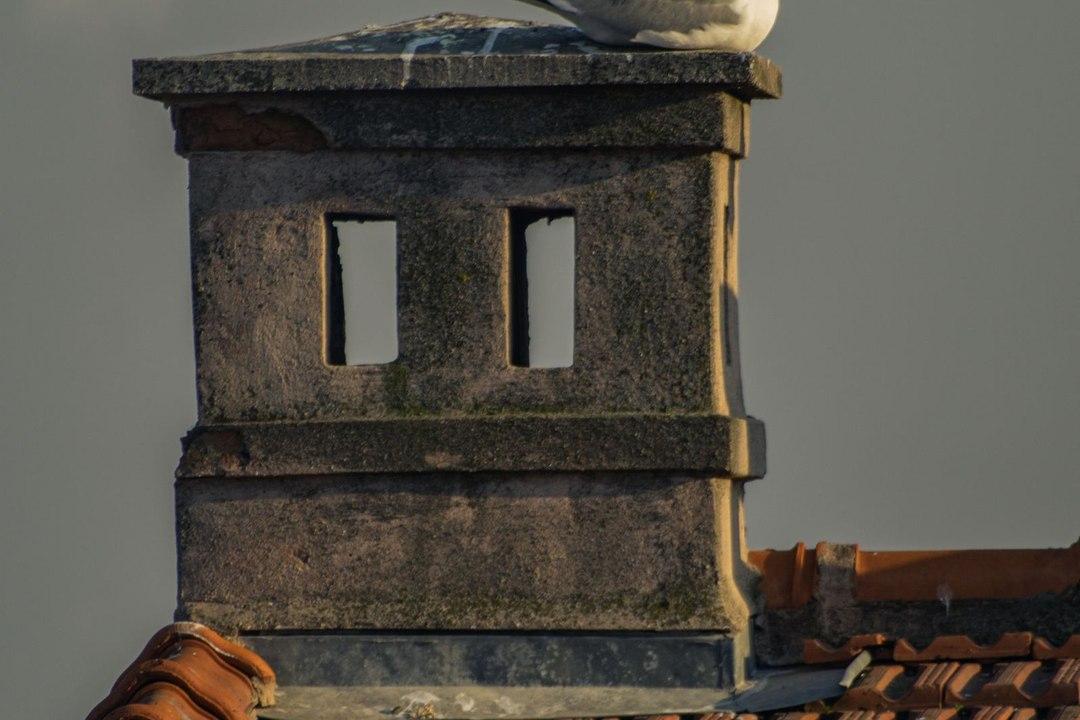
A damper rarely rusts on its own account. Water reaching it usually gets in through a missing cap or a cracked crown, and a new damper under a leaking top will rust again. So we look up as well as down. If the top needs a cap, it is quoted after we measure, and size and metal set the price; crown work gets its own written figure once we have been on the roof.
Before and after, in the same room
Picture the order of work in a typical La Habra living room. The old brick face comes off. The damper is freed or replaced while the throat is open and easy to reach. The firebox joints are repointed. Only then does the new backing go up and the stone or tile follow. The handle ends up where the drawing put it, the plate closes flat, and the first fire in the new fireplace draws up the flue instead of across the new face.
Pulling it together
A remodel is the moment the fireplace is wide open. Freeing, replacing or upgrading the damper then costs less than doing it later, keeps soot off the new face and makes the room tighter in winter. Our damper repair page goes further into each option, and the camera check before new stone post explains the inspection that comes first. Owners in La Habra and nearby Whittier can reach us through the contact page to set a time.
Picturing This in Your Living Room?
Shepard Chimney Solutions plans surrounds, mantels, inserts and fireplace repairs from La Habra. Use the contact form to describe the wall as it stands, and we come out to measure and price it line by line.