Three living rooms, three very different bills
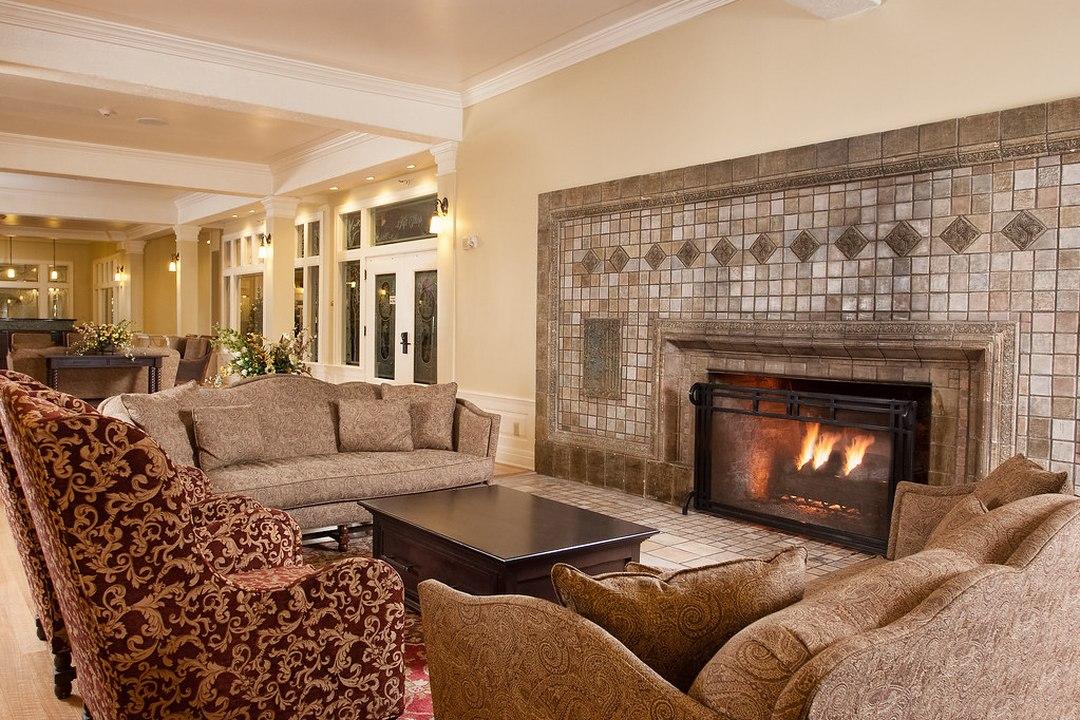
Picture three living rooms in La Habra. In the first, a painted brick face from the 1960s gets skimmed in smooth lime plaster and topped with a plain oak shelf. In the second, the brick comes off entirely and a wall of honed limestone goes up to the ceiling, with a raised hearth long enough to sit on. In the third, the face stays as it is, but a sealed gas box goes into the opening and the old grate is retired. All three get called a fireplace remodel. The money spent on them can differ by many thousands of dollars, and most of the reasons are visible from the doorway.
At Shepard Chimney Solutions we price a remodel the way it is built: layer by layer, from the firebox outward. This post walks through those layers so you can place your own project before anyone gets out a tape measure.
Layer one: what hides behind the finish
Every remodel sits on a fireplace that already exists, and that fireplace has to be fit for the new look. Before we draw anything we inspect the firebox, the damper, the smoke chamber and the flue. A firebox with burned joints, a damper plate rusted solid or a cracked flue tile costs less to fix while the face is open than after new stone hides it. Where that work is needed it appears as its own line on the quote, apart from the finish, so you can tell what the design costs and what the repair costs.
If nobody has looked up the chimney lately, a Level 2 inspection at $380 sends a camera up the flue and gives you a written record before the design is settled. A visual Level 1 at $160 suits a fireplace that has been in steady use and will keep burning the same fuel.
Layer two: the surface material
This is the part most owners picture first, and it is the widest swing in price. Roughly from lightest to heaviest:
- Limewash or paint over the existing brick. Little material; most of the effort goes into cleaning and preparing the brick so the coat holds.
- Skim plaster or microcement. The old face stays as a base, so there is no demolition, but the trowel work is skilled and slow.
- Tile. Large porcelain panels go up quickly; small handmade tile laid in a pattern takes far longer per square foot.
- Thin stone or brick veneer. Lighter than full stone, set on a prepared backing with a heat rated adhesive near the opening.
- Full bed natural stone. Limestone, slate or quartzite cut to size. Heavy, slow to set, and sometimes it needs extra support under the hearth.
Area counts as much as material. A surround that frames only the opening uses a fraction of the stone a full chimney breast up to the ceiling needs. In many postwar houses around La Habra the breast runs a good part of the wall's width, so the question "surround only, or the whole wall?" is often the single largest pricing decision you make.
Layer three: mantel and hearth
A mantel can be a reclaimed beam, a painted timber shelf, a cast stone piece or a full surround with legs. Wood and other combustible trim has to sit a set distance from the opening, and the deeper the shelf, the higher it must go. That rule shapes the proportions of the whole wall, so we fix the mantel height at the drawing stage rather than on install day.
The hearth is the floor of the design. A flush hearth in matching tile is simple. A raised bench in solid stone means more material, more weight and more fitting. If the existing hearth is shorter than current rules ask for, the new one has to reach farther into the room, and the flooring around it changes with it.
Layer four: what burns in it
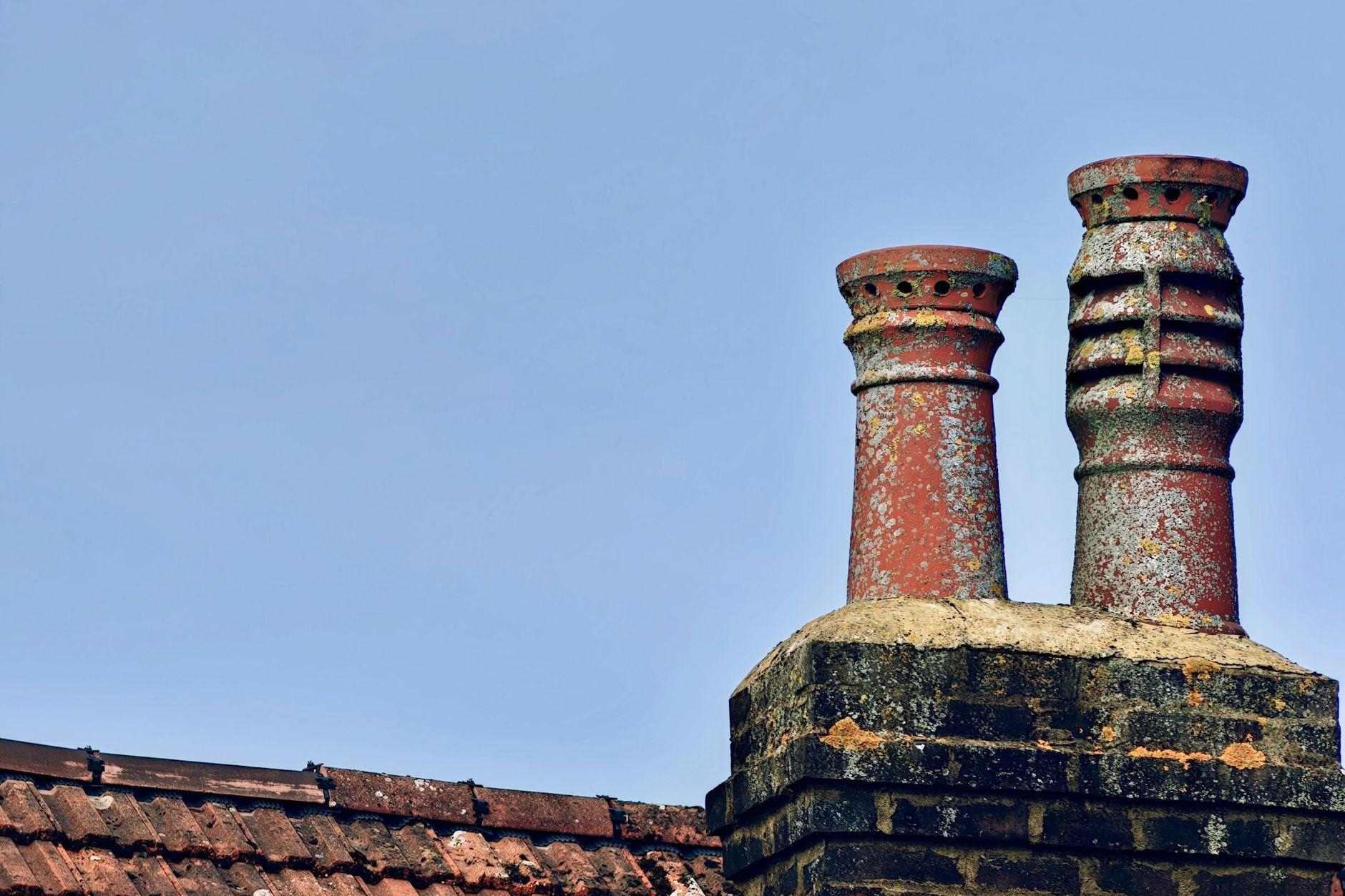
Changing the fuel is where a remodel crosses into appliance work, and it is the part where we can show a published range. Setting a sealed gas insert into the opening you already have comes to $2,700 to $5,450 with installation; the spread follows the unit, the vent run and the trim kit that frames it. Building a vented gas fireplace into a wall where there was none comes to $4,350 to $8,750. Keeping a wood fire usually means no appliance cost at all, though a new chimney cap is often worth adding while we are on the roof. We price it once the flue is measured, going by its size and metal.
Our post on an insert versus a built-in gas unit compares the two gas routes in more depth.
What decides your number
Put together, your price comes down to five questions:
- What shape is the fireplace in behind the finish?
- Which material goes on the face, and how many square feet of it?
- Surround only, or the whole chimney breast?
- What sort of mantel and hearth, and must they grow to meet current rules?
- Is the fuel staying the same, or is a gas unit going in?
With those answered, use the remodel quote form: tell us roughly when the house was built, which material you are leaning toward and whether you want gas, and we set a visit to measure the wall and look inside the firebox.
Why a remodel is not priced over the phone
Two fireplaces that look alike in a listing photo can hide very different fireboxes, and the framing around them may change how stone has to be supported. We put a remodel price on paper once we have stood in the room, measured the breast and the hearth, and looked up the flue. The written quote then lists each layer on its own line: repairs, surface, mantel, hearth and any gas work. You can drop a line, swap a material or split the job into phases without the other figures moving.
That breakdown also helps if you are weighing a remodel against selling the house as it stands. A buyer walking into a La Habra open house sees the fireplace before almost anything else in the living room, and separate line items make it easier to choose which parts are worth doing first.
Bring the picture you have saved
Most owners we visit in La Habra, Fullerton and Whittier already have an image saved of the look they want. Show it to us on the visit. We will say what it takes to get there from the fireplace you have, what the fireplace remodel involves on site, and where a lighter material gets you most of the look for less. When you are ready to talk it over, our contact page is where that starts.
Picturing This in Your Living Room?
Shepard Chimney Solutions plans surrounds, mantels, inserts and fireplace repairs from La Habra. Use the contact form to describe the wall as it stands, and we come out to measure and price it line by line.