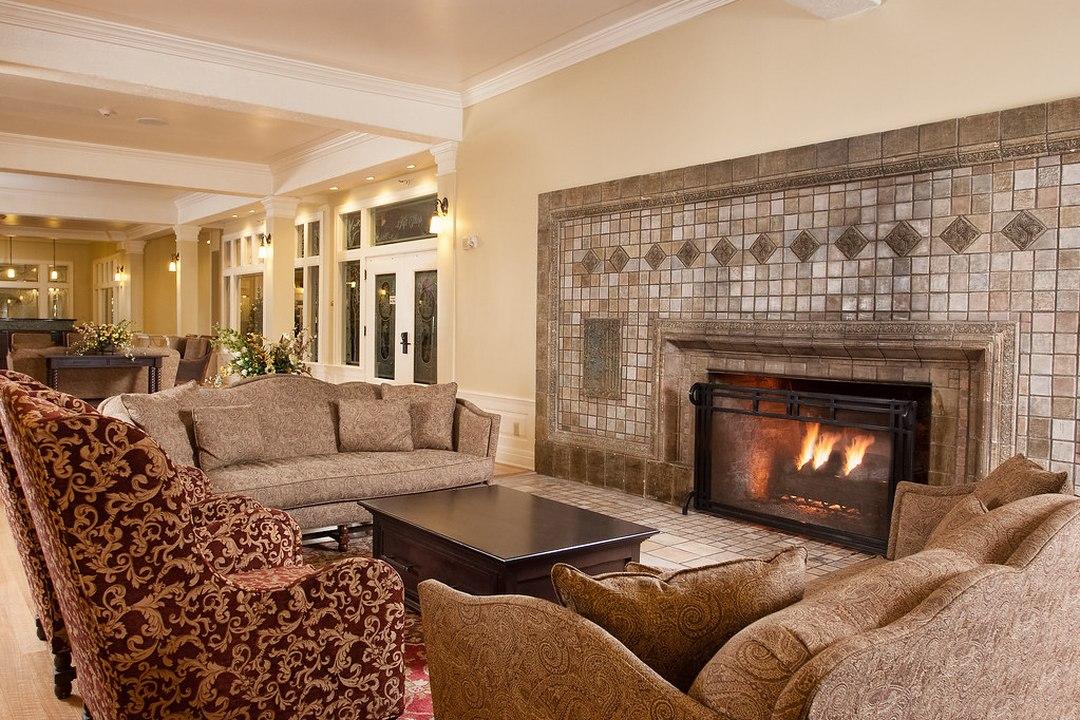
Two pictures owners bring us
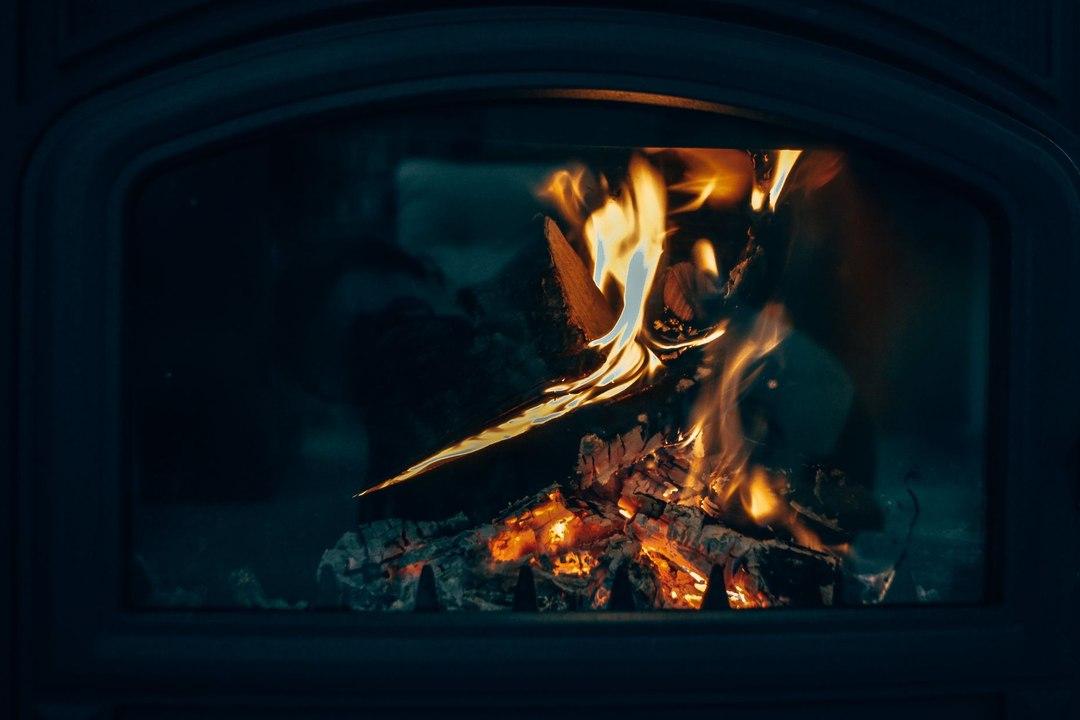
Owners who want gas usually arrive with one of two pictures. One is the fireplace they already have, cleaned up, with a glass front and a flame at the press of a button. The other is a fireplace somewhere the house never had one: a media wall in the family room, a corner of the main bedroom, a long linear flame under a television. Both burn gas, both are sealed behind glass, and both are jobs Shepard Chimney Solutions builds around La Habra. They are priced, installed and lived with quite differently.
Route one: the insert
An insert is a steel firebox with its own burner, glass and controls, sized to slide into an existing masonry or factory built opening. Two flexible liners run from its top up through the old chimney to a termination at the roof: one carries exhaust out, the other brings outside air in for the flame.
Fitted into your current opening, an insert comes to $2,700 to $5,450. Within that range the figure moves with:
- the size and style of the unit, from a compact traditional box to a wide modern one with a slim frame
- the height of the chimney, which sets the length of the liners
- whether a gas line already reaches the hearth or has to be brought in
- the trim: a narrow black surround, a wide decorative frame or a full refacing around it
The old fireplace has to be sound enough to hold it. We check the firebox, the smoke chamber and the flue, and with an insert the old damper plate is normally taken out so the vent liners can run up past it. If the masonry needs work, that comes first and sits on the quote as its own line.
Visually, an insert keeps the bones of the room. The brick, stone or plaster face stays or gets refaced, and the opening fills with glass and flame instead of a dark cavity. Owners of 1950s and 1960s houses in La Habra often like that the proportions of the wall stay as they were.
Route two: a new gas fireplace in a new spot
A built-in unit is a complete appliance framed into a wall, venting straight out the back through the exterior wall or up through the roof. Since it needs no chimney, it can go nearly anywhere a vent can reach the outdoors and a gas line can reach in.
Framed into a wall that has never held a fire, it comes to $4,350 to $8,750. That sits above the insert because the job takes in framing, drywall or a finished chase, a vent through the shell of the house and often wiring for a blower or remote. The spread depends on:
- the width of the unit, with linear models toward the top
- how far the vent travels and whether it turns
- what wraps the unit: painted drywall, tile, stone or a built-in cabinet wall
- whether a television or shelving goes above or beside it, which changes clearances and framing
This route suits a room without a fireplace, or a house where the chimney stands in the wrong room, is in poor shape, or both.
Side by side
| Point | Insert in your current fireplace | Built-in unit in a new wall |
|---|---|---|
| Installed range | $2,700 to $5,450 | $4,350 to $8,750 |
| Uses the old chimney | Yes, as a path for the liners | No |
| Wall work | Face kept or refaced | New framing and finish |
| Where it goes | Where the fireplace already sits | Almost anywhere a vent can exit |
| Masonry work | Repairs first if the chimney needs them | None, unless an old chimney is retired |
Heat and looks
Both routes put real heat into the room, and both can take a blower. An insert sits deeper in the wall, and many owners find it feels closer to a traditional fire. A built-in unit gives far more freedom of shape: a long low band of flame, a three sided glass box, a see-through between two rooms. If design drives the project, the built-in route opens more doors. If the existing hearth is the feature you love, the insert keeps it in place.
Which one fits your house
These questions settle it on most visits:
- Is the existing fireplace in the room where you actually want the flame?
- Is the chimney sound, or would it need relining and masonry work anyway?
- Do you want to keep the current face, or is the wall being redone regardless?
- Does gas reach the spot already, and how far is the nearest outside wall?
If the insert is where you are leaning, request an insert visit. Give us the width and height of the opening if you can measure it, what the face is made of and whether gas reaches the hearth today. We look inside the chimney and return a written quote with the unit, liners and trim on separate lines.
When the chimney makes the call
Sometimes the inspection decides. A flue with cracked tiles and a firebox with open joints can still take an insert, since the new liners carry the exhaust rather than the old tile. A chimney whose upper courses have shifted or opened up is another matter: the masonry has to be dealt with first, and some owners choose to put that money toward a built-in unit elsewhere and retire the old stack. We set both paths out on paper, with our published figures where they exist and a written figure for everything else.
Our fireplace inserts page describes what install day looks like, and the hearth remodel cost post shows how a refaced surround adds to either route. If the old fireplace has never had a camera through it, the camera check before new stone post explains why that comes first.
Seeing the room
Whichever route appeals, we come out, measure and tell you what the house allows. Owners across La Habra, Fullerton and Whittier begin with a short note through our contact page, and we arrange a time to stand in the room with you.
Picturing This in Your Living Room?
Shepard Chimney Solutions plans surrounds, mantels, inserts and fireplace repairs from La Habra. Use the contact form to describe the wall as it stands, and we come out to measure and price it line by line.