
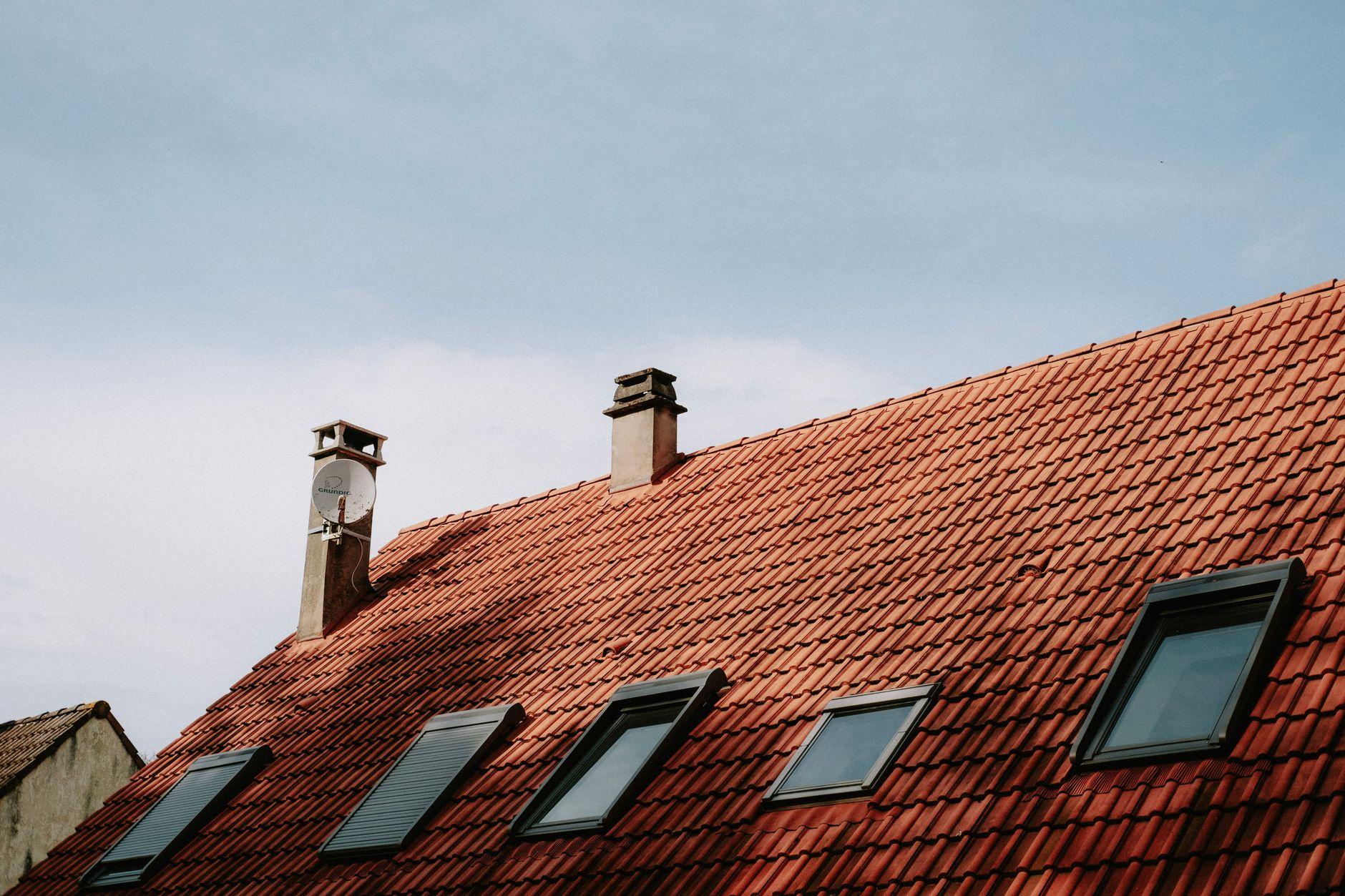
A Crown That Sheds Water and Finishes the Stack
Ask About Chimney Crown Repair
Describe your fireplace and what you want changed or fixed. We reply to arrange a time and say what the visit includes.
Scope of the Job
The crown caps the masonry, and when it splits, water runs into the brick and down toward the fireplace wall below. Fine cracks can be sealed with a crown coating. A crown that is broken, flat or just a thin mortar wash gets cut off and recast with a slope, an overhang and a bond break around the flue tile. We photograph the top first so you see which case you have.
How a Crown Fails
A crown has a simple job: cover the top of the brick so rain runs off rather than soaking in, and hold the flue tile in place. Many chimneys were never given a proper one. Instead they have a thin layer of mortar troweled over the top bricks, and a handful of winters is enough to craze it, after which rain soaks directly into the brickwork below. Some crowns were poured tight to the tile with no gap; the clay swells each time a fire heats it and splits the concrete around it. Hairline cracks widen with every season, the edges crumble, and water starts to show inside as stains near the fireplace or white deposits on the outside brick. From the ground a crown is hard to see, so problems tend to grow before anyone notices. On a roof visit we check the surface, the edges, the overhang and the joint where it meets the flue.
There are two kinds of repair. A crown that is solid but has fine cracks can be cleaned and given a rubbery crown coating that stays elastic as the masonry warms and cools. A crown that is broken through, crumbling or too thin to hold a coating needs replacing. We break out the old one, set a form, and cast a new crown with a slope that drains water, a lip that projects past the brick, cut underneath with a drip line so rain falls free of the face, and a soft bead around the tile that absorbs its movement. The finished top looks clean and sharp, which matters on a chimney that stands against the sky. On chimneys with decorative corbels or a stepped top, we keep the profile and cast the crown to follow it.
On the Roof, Then on Paper
A crown visit starts on the roof. We measure the top of the chimney, check the crown's thickness and slope, look at the flue tile and its joint, and note any loose brick in the top courses. If water has been getting into the masonry, we look for its signs inside the house and in the attic. Then we tell you which repair fits: sealing, replacement or, if the top courses have also failed, some rebuilding below the crown. The written price covers the repair chosen, with any brick work, a new cap or a water repellent for the masonry listed separately. If the crown and the cap are both due, we do them in one roof visit so the new cap sits on a sound, fresh top. Cracked crowns also let water reach the damper below and rust it, so we check the damper while we are there.
Crowns are often found during a sale inspection, and our up to code page covers repairs requested before closing. If you have a leak near the chimney, a crown check is a natural first step. A new crown changes the look of the chimney slightly, with a crisper edge and a visible overhang, so on houses where the chimney is part of the front elevation we go over the thickness and edge profile with you before casting. Owners in La Habra and Fullerton often book crown work together with a cap, so the top of the stack is finished in one trip. Some leaks blamed on the roof start at the crown, and the reverse happens too, so we trace the water before suggesting work. Use the contact page to tell us what you have noticed, inside or from the yard, and we will call to arrange a roof visit.
How Shepard Chimney Solutions Runs a Job
Room Protected
Mantel, hearth and floor covered first
Measured, Not Guessed
Openings and clearances taped on site
Itemized Quote
Each line priced before any work
Photo File
Before and after shots for your records
Cities with a Chimney Crown Repair page
Pick a city below for local notes: the homes we see there, the weather that wears on them and the neighbors on the same route.
Nothing on our list fits those letters. Enter the larger city your street belongs to.
Other Fireplace and Chimney Services
Chimney Sweep
Soot and glazed creosote lifted off the flue walls while the mantel, hearth and rug stay under heavy cloth.
See details →Chimney Inspection
A look at firebox, damper, flue and roof top before you spend money on a new surround or insert.
See details →Chimney Repair
Fixes for crowns, joints, liners and smoke chambers that keep a remodeled fireplace safe to use.
See details →Fireplace Inspection
Firebox, hearth slab, damper and trim clearances checked so a planned refacing or mantel swap starts on safe ground.
See details →Fireplace Repair
Worn firebox joints, split panels, hearth cracks and loose surround stone put right so the fireplace looks and works whole.
See details →Chimney Level 2 Inspection
A video scan of the full flue plus attic and roof checks, needed before an insert, a fuel change or a sale.
See details →Chimney Cap Installation
Caps in stainless or copper, picked to suit the roofline, that stop rain, birds and stray sparks.
See details →Chimney Flashing Repair
Metal at the roof line refitted or replaced so stains stop spreading across the ceiling near the fireplace.
See details →Chimney Masonry Repair
Repointing, brick swaps and spalled faces repaired with mortar and brick matched for color across the visible stack.
See details →Chimney Rebuilds
Unsafe stacks taken down and built again, partly or in full, with brick and proportions chosen to suit the house.
See details →Fireplace Cleaning
Firebox, glass doors, screen and the surround face cleaned so the hearth looks cared for again.
See details →Gas Fireplace Cleaning
Hazy glass, dusty burners and faded log arrangements brought back so the flame looks the way it did new.
See details →Gas Fireplace Repair
Pilots, valves, igniters, sensors and remotes traced and repaired so the gas unit lights cleanly on the first try.
See details →Fireplace Remodel
Refacing, mantels, hearths and conversions designed around the room's proportions and built to burn safely.
See details →Fireplace Inserts
Gas, wood or pellet inserts chosen for heat and looks, sized to the opening and vented by a full-height liner.
See details →Pellet Stove Repair
Augers, igniters, blowers, sensors and control boards tested until the stove holds a steady flame again.
See details →Wood Stove Repair
Door rope, glass, firebrick, baffles and stovepipe restored so a freestanding stove seals, draws and looks tidy.
See details →Fireplace Gas Logs
Ceramic log sets chosen for look and flame height, fitted to the opening and lit with you before we leave.
See details →Chimney Seismic Retrofit
Bracing, steel straps or a lighter rebuilt top that keep a brick stack from coming down in the next quake.
See details →Dryer Vent Cleaning
Lint cleared from the whole duct run, from the laundry wall to the outside hood, with airflow tested at the end.
See details →Chimney Liner Installation
Stainless liners sized to the insert, stove or gas unit, run the full height of the flue and capped.
See details →Chimney Leak Repair
Water traced to the crown, cap, flashing or brick and stopped before it spoils plaster, paint or a new mantel.
See details →Chimney Waterproofing
Breathable repellent applied to sound brick so the outside of the chimney stays dry and keeps its color.
See details →Chimney Damper Repair
Stuck, rusted or loose dampers freed, rebuilt or replaced with a top-sealing unit at the crown.
See details →Chimney Chase Cover
Rusted chase tops on framed chimneys replaced with custom stainless covers that shed water off the siding.
See details →